


Cost of Replacing Interior Doors: What You’re Really Paying For
Replacing interior doors might seem like a straightforward home update—but when you start exploring the options and costs, it quickly becomes clear there’s more going on behind the scenes. From material types to labor, finishes, and customization, the price can vary more than most homeowners expect.
Whether you’re updating a single-bedroom door or giving your entire home a new look, understanding what you’re paying for can help you make smarter choices, avoid surprises, and feel good about your investment.
Material Type Makes a Big Difference
One of the first factors that affect your total interior door replacement cost is the type of material you choose. Solid wood doors tend to be the most expensive because of their durability and classic appearance. Hollow-core doors are more budget-friendly but may not offer the same longevity or insulation. Other materials like MDF (medium-density fiberboard) or glass-paneled doors fall somewhere in between, each with its look and function.
Labor and Installation Add Up Quickly
It’s easy to underestimate how much of your budget will go toward professional installation. While swapping out a door might seem like a quick DIY project, proper installation requires precise measurements, hinge alignment, and often some framing work. A seasoned installer ensures your door fits perfectly, opens and closes smoothly, and provides the privacy or sound control you’re looking for. Skilled labor doesn’t come cheap—but it’s often worth the cost for peace of mind.

Don’t Overlook Hardware and Finishing Touches
The knobs, handles, hinges, and other hardware may seem like minor details, but they can quickly increase your overall price tag. Choosing premium hardware finishes or high-end designer styles will raise the total. Paint or stain adds another layer of cost, especially if you’re going for a custom finish or having a pro handle the job. These small touches play a big role in the finished look, so it’s smart to plan for them upfront.
Interior Door Replacement Cost Often Includes More Than You Think
While it’s tempting to just look at the sticker price of a door online, the total interior door replacement cost often includes framing modifications, trim replacement, disposal of old doors, and unexpected adjustments that pop up during installation. For example, if your home is older and the door frames have settled or shifted, a simple swap might turn into a mini remodeling job. Budgeting for these hidden extras makes for a smoother project from start to finish.
Custom Sizes and Styles Raise the Price
Standard-size doors are typically more affordable and readily available, but if your home has unique architecture or you’re going for a custom look, expect the costs to climb. French doors, barn doors, pocket doors, and double-panel designs can all carry a premium because they require special handling and often come with additional parts or features. While these upgrades can dramatically improve your home’s aesthetics, they’ll also be reflected in the final bill.

Geographic Location Can Influence Pricing
Believe it or not, where you live can have a major impact on how much you’ll pay. Labor rates, material availability, and even shipping costs vary from region to region. A project in a rural area might be cheaper in some ways but take longer to complete if materials need to be ordered. On the other hand, high-demand metro areas may have pricier contractors but easier access to a variety of styles and products.
Think of It as a Long-Term Investment
While the upfront cost of replacing interior doors can add up, it’s also an investment in your home’s value and comfort. New doors can improve energy efficiency, boost soundproofing, and give your space a fresh, modern look. Better yet, if you’re planning to sell in the future, updated interior doors are a small touch that buyers notice—and appreciate. Understanding where your money goes when replacing interior doors can help you approach the project with confidence. From materials and labor to design choices and location, each factor plays a role in shaping the final cost. But done right, this kind of upgrade doesn’t just improve your home—it enhances the way you live in it.…
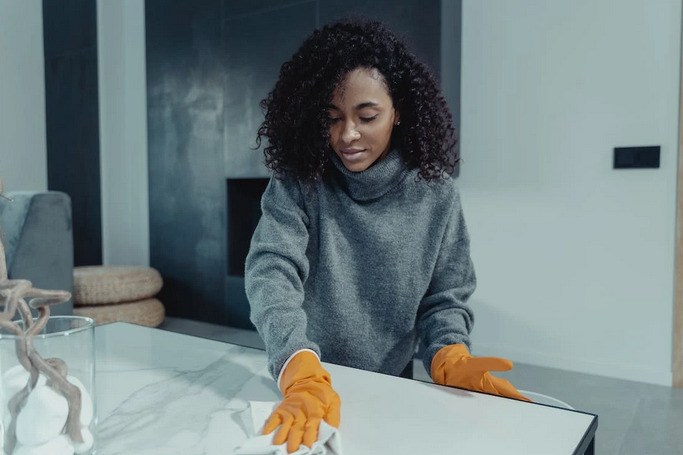


 Another tip is to create a cleaning schedule. This will help you stay organized and on top of regular tasks. Depending on your lifestyle, the frequency of cleaning certain rooms can be different. For example, if you have kids or pets, it might be necessary to clean more often than someone without children or animals living with them. If you are unsure how often to clean, try starting with a weekly schedule and making adjustments as needed. This will also help you plan out when to do large tasks like deep cleaning or de-cluttering. Many people make the mistake of doing too much deep cleaning at once and getting tired or frustrated with the process.
 The last tip when cleaning your home is to avoid harsh chemicals as much as possible. Many of these chemicals can be dangerous and toxic to both you and the environment. Instead, opt for natural cleaning products such as vinegar or baking soda. These are non-toxic and can be just as effective in removing dirt and grime. Many natural products are also cheaper and easier to find than their chemical counterparts. Take the time to research the best safe cleaning solutions for you and your home. If you have children, it is essential to use natural products, as chemicals can harm their health.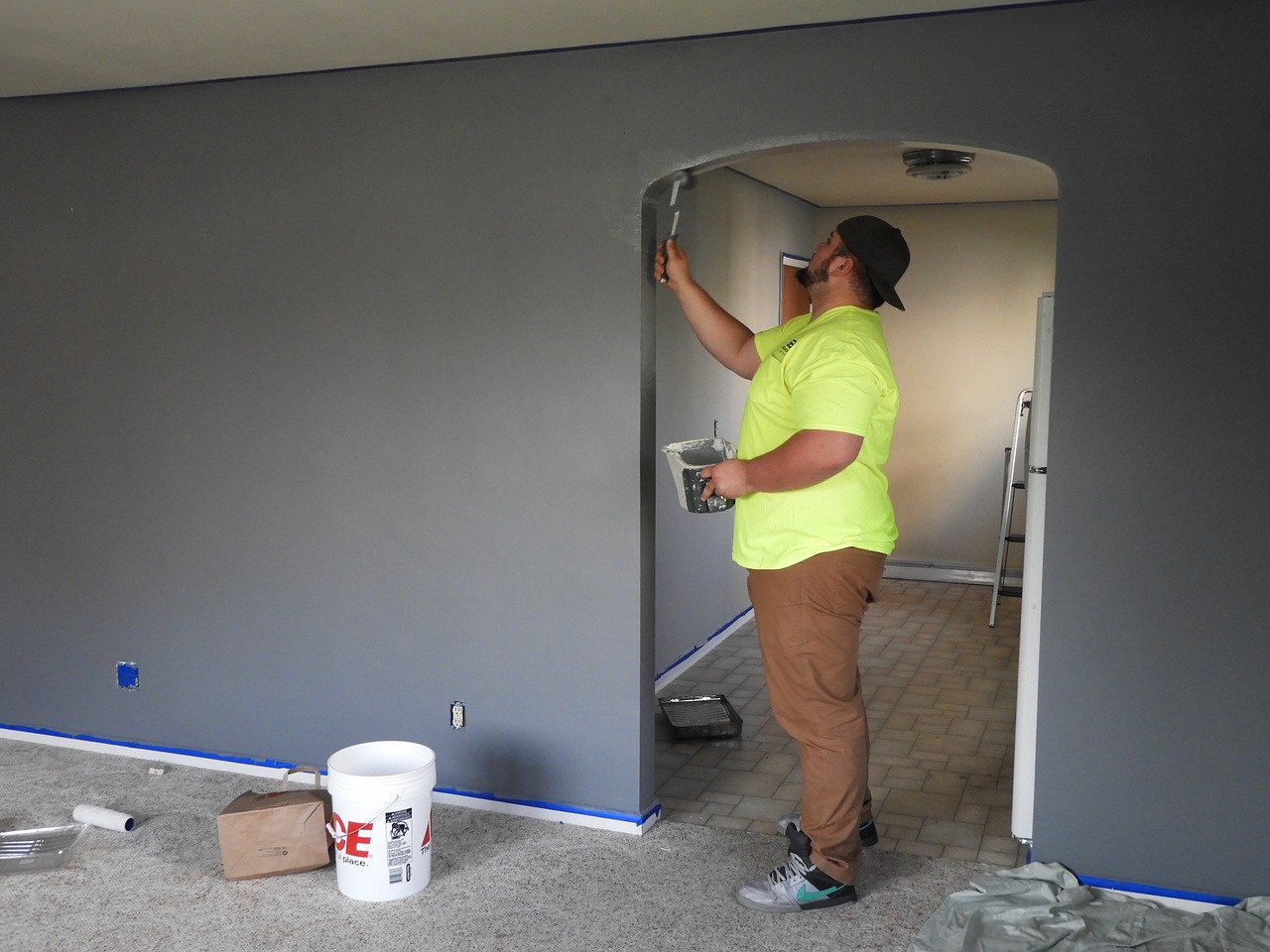


 Finally, make sure you set a realistic budget. It will help you stay on track and ensure you don’t overspend. To do this, prioritize the tasks necessary for the project and eliminate any extras. By following the tips above, saving money on your home renovation project shouldn’t be difficult. With the right planning, research, and impulse control, you’ll be able to get the renovation project of your dreams without going over budget.…
 The COVID-19 pandemic has spotlighted the importance of washing your hands regularly. Washing your hands is one of the best ways to prevent the transmission of germs and bacteria. It would be best if you washed your hands before you eat, after you use the restroom, and after you sneeze or cough. If you can’t wash your hands, you should use hand sanitizer. Another way to prevent the transmission of germs is to avoid touching your face.
 Parents should take the time to teach their children about good hygiene habits such as washing their hands properly and often, covering their mouths when they sneeze or cough, and not sharing food or drinks with others. It’s also crucial for parents to model these behaviors themselves. Children are more likely to develop good hygiene habits if they see their parents practicing them regularly.
 You may consider portable solutions to have good heating for your sunroom at an affordable budget. The leading mobile options are electric fireplaces and space heaters.