
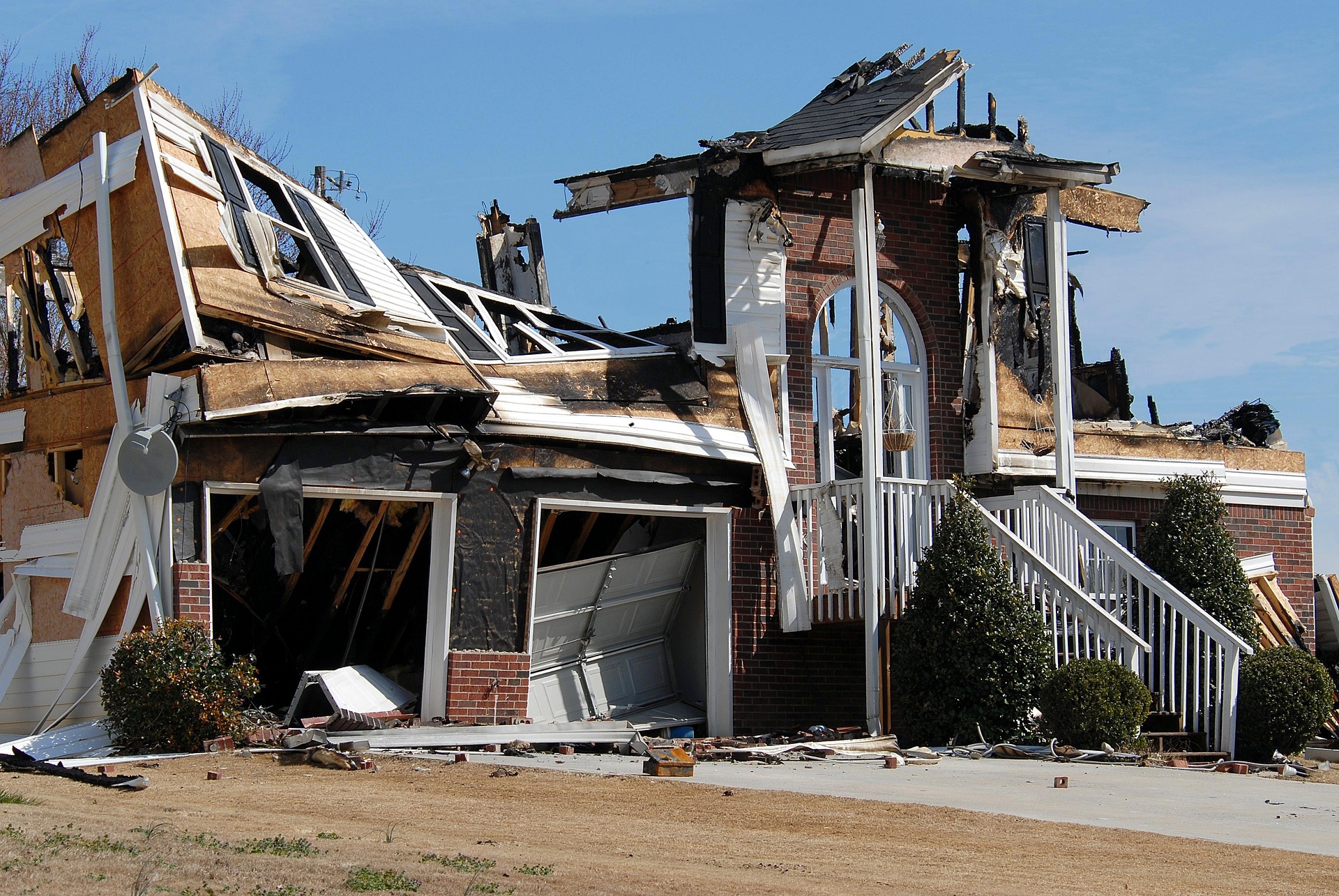

Key Factors to Consider When Choosing the Right Buyer for a Damaged Home
Selling a home is rarely simple—but when your property has damage from fire, water, or neglect, the process becomes even more complicated. The traditional real estate route may not work, and not every buyer is equipped (or willing) to take on a home that needs serious repairs. Choosing the right buyer is key if you want to avoid stress, delays, and lowball offers. The good news? There are buyers out there who specialize in these kinds of situations—you just need to know what to look for.
Experience with Damaged Properties
Not every buyer understands what’s involved in purchasing and repairing a damaged home. Investors buying fire damaged properties are often the most experienced when it comes to evaluating risk, estimating repair costs, and making fair offers. They’re not turned off by smoke residue, missing drywall, or a roof that needs replacing. This level of experience can save you time and hassle because you won’t need to educate them on your home’s condition—they’ve seen it all before.
Ability to Close Quickly

One of the biggest advantages of working with the right buyer is speed. Many traditional homebuyers rely on mortgage approvals, inspections, and drawn-out negotiations. If you’re trying to move quickly—whether for financial reasons, relocation, or peace of mind—choosing a buyer who can close in days instead of months can make a huge difference. Look for buyers who make cash offers and have a track record of fast closings.
Willingness to Buy As-Is
When your home is damaged, making repairs just to sell can feel like throwing money into a fire—especially when you’re unsure if you’ll get it back in the sale price. That’s why it’s important to find a buyer willing to take the home as-is. This means no repairs, no clean-up, and no improvements required on your part. As-is buyers understand the value of your home in its current state and won’t require you to lift a finger before handing over the keys.
Reputation and Credibility
With so many “we buy houses” offers out there, it’s important to do your research. Not every investor or buyer is reputable. Look for reviews, testimonials, and even Better Business Bureau ratings. A trustworthy buyer will be transparent, professional, and willing to answer all your questions up front. If they’re pressuring you or making you feel rushed, that’s a red flag. The right buyer will treat you with respect and make the process as smooth as possible.
Flexibility in the Process
Every homeowner’s situation is different. Maybe you need a little extra time to move out, or perhaps you’re handling a probate sale. The best buyers are flexible and willing to work with your timeline and needs. Some might even let you stay in the home after closing or help with moving expenses. When choosing a buyer, don’t be afraid to ask what options they offer to make your transition easier.
Transparency in Pricing

The last thing you want is a buyer who plays games with their offer. A trustworthy buyer will explain how they came to their price, including repair estimates and market value. Even if the offer is below what a traditional sale might yield, understanding the reasoning behind it helps you make a confident decision. Look for buyers who are upfront and honest from the beginning—it’s a strong sign you’re in good hands.
Selling a damaged home doesn’t have to be a nightmare—but choosing the wrong buyer can certainly make it one. By focusing on experience, speed, flexibility, and transparency, you can find a buyer who makes the process smooth and stress-free. Whether your home has fire damage, structural issues, or years of wear and tear, there are reputable buyers ready to help you move forward—with no repairs, no drama, and no wasted time.…

 The first step in turning hip hop album covers into wall art is selecting the right albums. Consider albums that hold personal significance, such as those that shaped your musical tastes or represent key moments in hip hop history. Iconic covers from artists like Nas, Tupac, or Kendrick Lamar not only carry aesthetic value but also convey cultural weight. Choosing covers with both emotional and visual impact ensures a meaningful display.
 Once framed, arranging the album covers on a wall requires planning. A gallery wall approach allows for multiple covers to be displayed together, creating a cohesive focal point. Consider symmetry, spacing, and height to maintain balance. You can mix sizes, rotate covers seasonally, or highlight certain albums to keep the display fresh. Thoughtful arrangement ensures that the wall becomes a curated gallery rather than a random assortment.